

Mickey Rooney became one of Hollywood’s biggest box-office draws in the 1930s and 1940s. His career spanned nearly a century, but his public success masks a complicated private ledger: multiple failed marriages, allegations of abuse and exploitation, a violent murder that touched his family, and late-life claims of elder abuse against people who lived with him. This article examines how the studio system, power imbalances, and institutional silence shaped those outcomes, who paid the cost, and what lessons the entertainment industry and the public can draw today.
Table of Contents
- Why this matters
- Quick overview: the central issues
- What was the studio system and how did it enable personal harm?
- Power, pattern, and personality: how success can create entitlement
- Profiles: women and family members affected
- Mechanisms of silence and protection
- Consequences and outcomes
- Later life: elder abuse and congressional attention
- How this pattern compares to later scandals
- Practical guidance: how the industry can reduce harm
- How families and caregivers can spot and respond to elder abuse
- What survivors and witnesses should know about reporting and legal options
- Pitfalls, misconceptions, and gray areas
- Lessons for employers and leaders
- What changed legally and culturally—and what still needs work
- Checklist: How to evaluate an entertainment workplace for safety
- How to support survivors and family members
- Takeaway
- FAQ
- Further reading and resources
Why this matters
Besides being one biography, this story also conveys a typical interaction here: a dynamic concentrated power and secrecy swimming together create breach of contracts opportunities. Knowing the facilities that treachery was made through a long time ago is revealing how the same modus operandi continued in later scandals and also what safeguards are still needed, especially for children and vulnerable adults.
Quick overview: the central issues
- Studio control: Contracts, morality clauses, and publicity departments gave studios extraordinary control over actors’ lives.
- Power imbalances: Young performers, spouses, and partners often lacked the leverage to refuse or report abusive behavior.
- Secrecy mechanisms: Settlements, NDAs, and studio-managed press silenced victims and shaped public narratives.
- Long-term harm: Psychological trauma, career damage, family breakdowns, violent outcomes, and elder abuse can all result when accountability is missing.

What was the studio system and how did it enable personal harm?
From the 1920s through the 1950s, major studios operated a vertically integrated business model: they produced films, distributed them, owned theaters, and signed actors to long-term contracts. Those contracts often included clauses that decided public image, romantic pairings, and career moves. Studios handled publicity, legal defense, and damage control—frequently prioritizing profits over individual wellbeing.
Key structural features that amplified risk:
- Seven-year contracts: Actors were often bound to lengthy deals that limited mobility and protections.
- Morality and image clauses: Studios demanded conformity to an approved public persona and could punish noncompliance.
- Control of narrative: Studio publicity machines could suppress stories, plant favorable coverage, and pressure journalists.
- Limited legal recourse: Financial leverage, settlement offers, and threats of blacklisting forced many to accept hush agreements.
Power, pattern, and personality: how success can create entitlement
Famous people are able to make it a cycle: the praise and admiration of the public decrease the external factor; the studio fundings remove the effects, and the continuation of the profit reinforces the risky or exploitative behavior. At the moment of the single performer being the only one responsible for the studio’s revenue, the executives will likely first take that performer out of the picture and later cover any mistakes he/she made.
The kind of atmosphere where sex, silence, or career control from people who cannot freely refuse are minored, young newcomers, spouses with less leverage, or dependent employment staff is normalized by using charm, status, and access orchestrated as a tool.
Profiles: women and family members affected
The career of one of the famous stars collided with several women and family members of whom lives were affected in a big way. The list below sums up the profiles of these people in a summary form of newspaper and magazine articles, court statements, and memoirs and daily journalism accounts.
Norma Shearer — a seasoned star sidelined
Acting for silent and pre-sound movies, she was a top actress, not to mention her long time which she had in the studio and remained a marquee name. Following the death of her husband and the executive power changes at the studio, a deeply personal connection with a much younger co-star was getting her to understand how studios were keeping their backers strong or were going behind the back of those established women on the point of silence and career compromise. The net benefit of the emotional aberration to the established actresses was that they had no other choice but to leave, as a result, were sometimes explained to be the reason by personal decisions.
Ava Gardner — treated like a trophy
A young ingénue when she entered the studio system, she later described feeling objectified and controlled rather than partnered. Accounts indicate pattern behavior in which charm was used to impress and disarm, while resistance to any independent ambitions or personality traits could provoke resentment or punitive responses.
Nell (Nelly) Carter — the parent who built the star, later erased
Many child performers were managed intensely by parents or guardians. One mother moved to Los Angeles, placed her child into nonstop film work, and controlled the finances and career decisions. When a child star transitioned to adult celebrity status, parental managers were sometimes cut out. The personal cost to those caretakers included lost careers, social isolation, small allowances, and little public recognition for sacrifices made early in the child’s career.
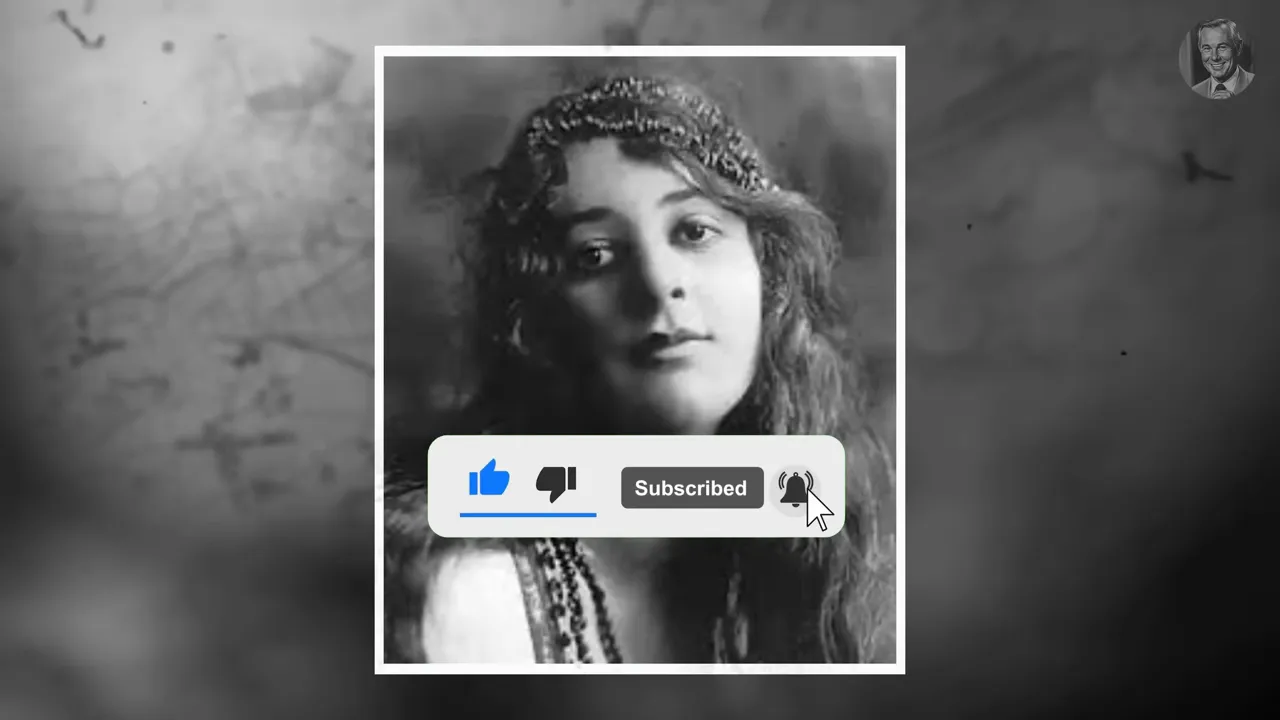
Betty Jane Baker — the spouse pushed aside with a settlement
The spouse who had found out about her husband having an affair with a young performer was offered a financial settlement along with a confidentiality clause, which was the remedy provided by the studio. The economic settlement could provide her with security but it required her to remain silent for a lifetime; the spouse lost her public standing and ability to express her opinion freely without risking legal and reputational sanctions. This is a clear case where legal tools were utilized to prevent scandal rather than seek for accountability.
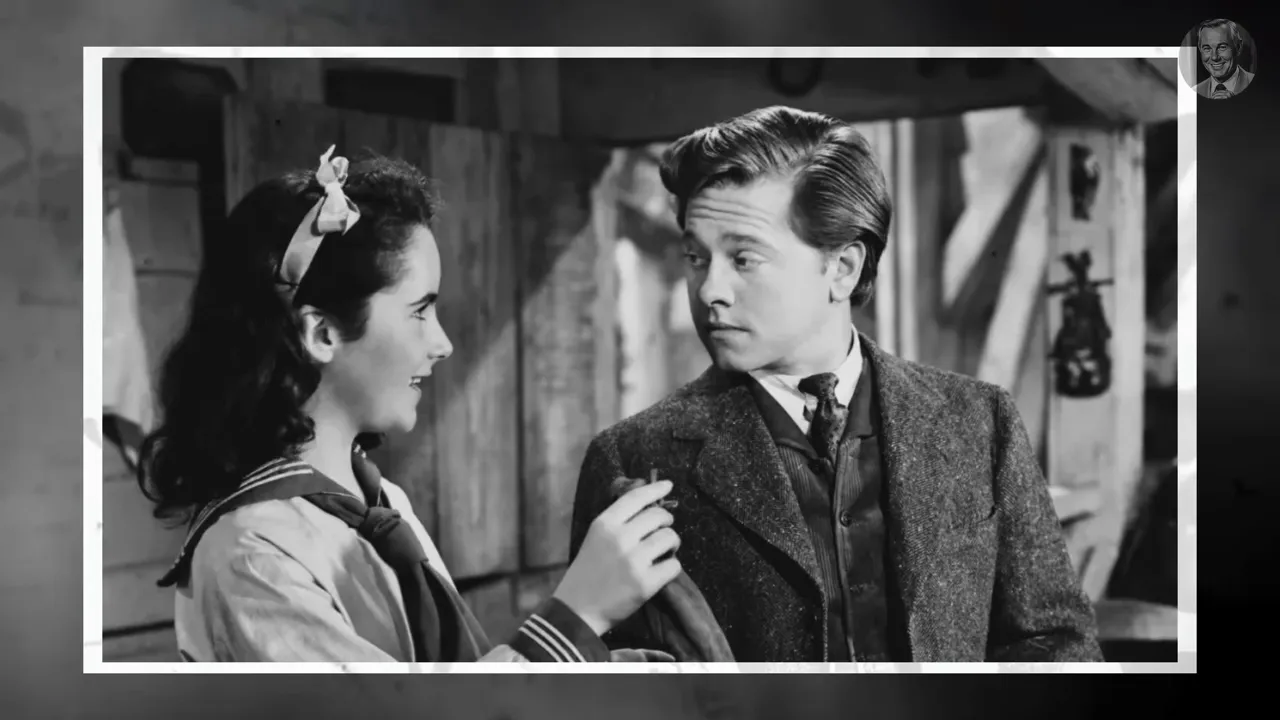
Elizabeth Taylor — a childhood trauma carried for decades
A rising child star, she reportedly experienced inappropriate sexual contact with a senior colleague while still a minor. Because the culture and institutions around her prioritized career protection, the incident was handled privately and not pursued by law enforcement or public inquiry at the time. The long-term psychological consequences are frequently cited in later interviews and biographies as contributing to later relationship struggles and lifelong emotional scars.
Carolyn Mitchell — murder, grief, and collateral damage
One of the side effects of a wife's legal proceedings that led to the dissolution of the marriage was the wife's inability to confront her husband with infidelities she suspected. A traumatic fight with her ex-husband was a major cause of her death, which left four children without their mother. Later journalistic accounts and court files disclosed about affairs and allegations of the partner's treachery. This horror demonstrates that the personal betrayals and the secret can lead to the extreme effects with the family members being the one who suffers.
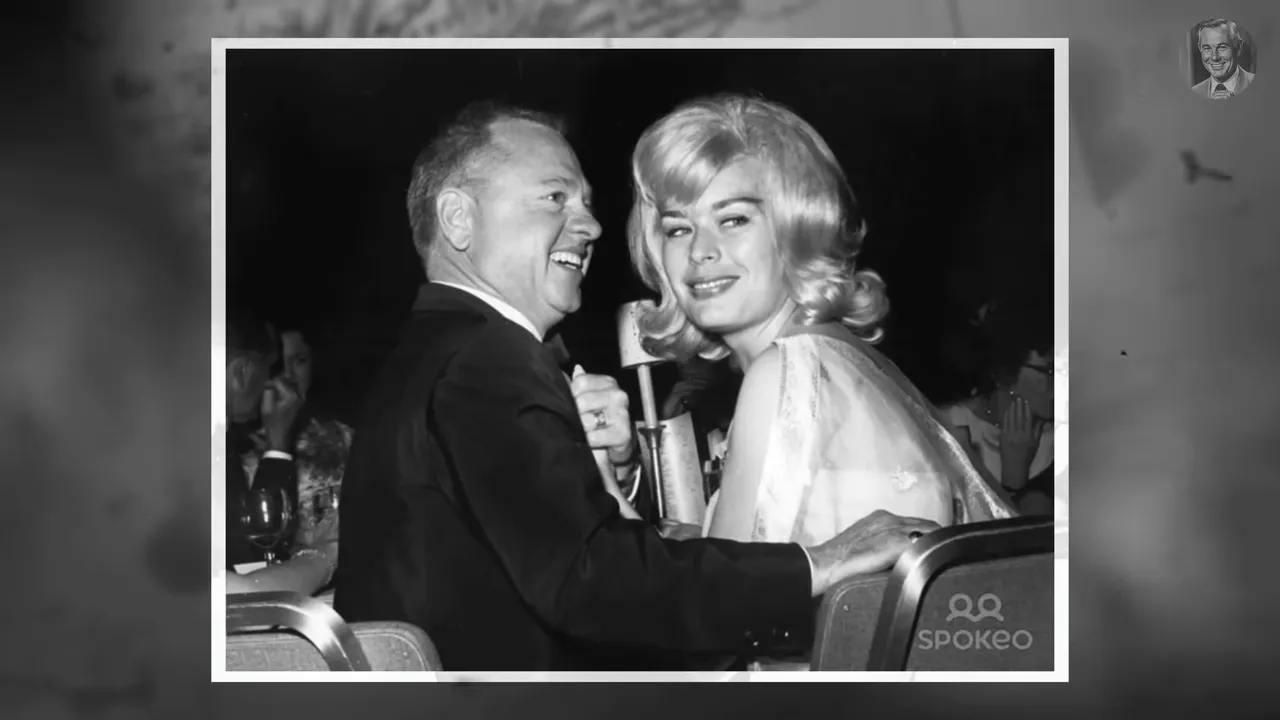
Children and extended family — long-term ripple effects
The breakup of the family unit in the spotlight often results in kids being raised with the negative effects of having absent parents, unstable economic support, and public curiosity. A few of the kids were taken care of by their relatives, but others had to deal with emotional neglect. The case is a good illustration of how the choices made for personal convenience or job stress can plague the future of the family they create.
Mechanisms of silence and protection
Grasps of the ways in which scandals were kept in check will lead one to the discovery of the weak points in the modern scenarios. The historical tactics regularly employed-, a number of them still noticed as variations these days- are:
- Confidential settlements: Large payouts in exchange for a legal promise of silence.
- Studio-managed press: Coordinated narratives that framed incidents as misunderstandings or protected the star’s public image.
- Legal intimidation: Threats of defamation suits, contract termination, or blacklisting to deter disclosure.
- Informal coercion: Social pressure, career-threatening whispers, and promises of future work used to suppress complaints.
Consequences and outcomes
The most direct result of secrecy is the lack of responsibility. However, it has the following long-term effects:
- Emotional and psychological harm: Victims and survivors often carried trauma privately for decades.
- Career damage: Women who resisted or were implicated in scandals were often the ones whose careers stalled or ended.
- Violence: Personal betrayals sometimes escalated to homicide or attempted harm involving third parties.
- Financial erosion: Massive earning histories did not guarantee long-term financial security for stars or their dependents.
- Legal and civic changes: Public testimony about elder abuse and other abuses has prompted legislative reforms in later decades.
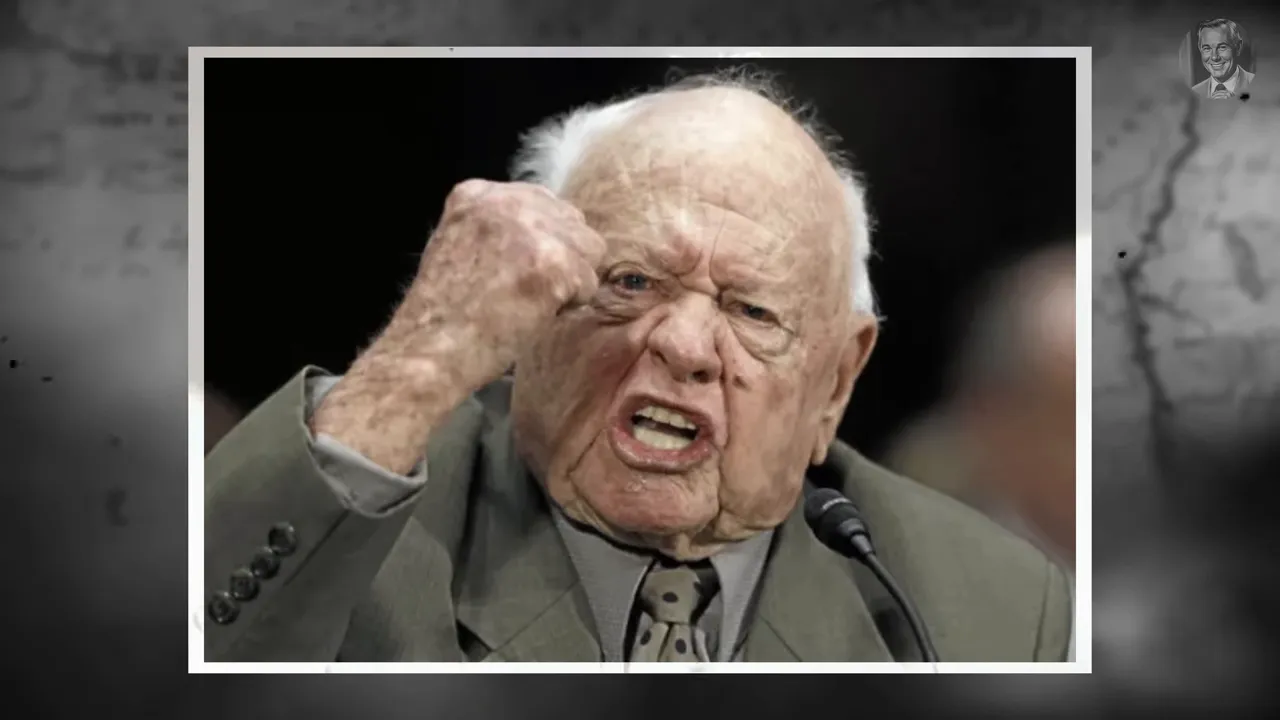
Later life: elder abuse and congressional attention
Elder actors, who experience financial and physical abuse in their late life are, not infrequently, victims of these abuses committed by family members or caretakers - this has become a serious public problem. Paperwork submitted to the court, social workers" evaluations, and lately held hearings in the congress have all contributed to the focus on the absence of the necessary protections of modern age to the aged entertainers.
Witnessing the high-profile individuals testifying to the lawmakers has spread the information to the public about the fact that not only the common people but also the renowned public figures can be manipulated when there is no proper supervision and it has also been the driving force for the reforms to be introduced to protect older adults from financial exploitation and physical abuse.
How this pattern compares to later scandals
The operative structural dynamics in the present-day scenario have been the same all through high-profile cases in the past: almighty men misusing their professional power to manipulate or hush, ingrained institutional motives to maintain reputations, and prolonged periods before the public learned about the truth. But of course, there are a number of distinct aspects that set these circumstances apart. Survivors have the benefit of social media at their disposal, along with the assistance of the law, to freely organize in survivor networks through which the public announcement can be done together.
Nevertheless, legal instruments such as non-disclosure agreements and private settlements continue to function as instruments that settle the voices of victims, while workplace cultures that bear with harassment are still a bottleneck in every industry.
Practical guidance: how the industry can reduce harm
The entertainment sector has specific risk locations which require focused defense which is the first point of view. The said measures are the best way to minimizing dangers and they are also the steps that need to be taken when losses occur:
- Stronger protections for minors: Limit working hours, mandatorily include independent child advocates on set, require separate legal counsel for child performers, and enforce on-set chaperones with reporting authority.
- Transparent financial oversight: For aging performers or those with complex finances, require third-party fiduciary audits, supervised accounts, and notice requirements for large withdrawals or transfers.
- Limit abusive NDAs: Prohibit NDAs that prevent disclosure of criminal acts or that shield predatory conduct; allow confidential reporting to independent bodies.
- Independent complaint mechanisms: Establish ethics hotlines and independent ombuds offices staffed by neutral investigators with the power to recommend discipline and referral to law enforcement.
- Education and training: Mandatory training on power dynamics for executives, producers, cast, and crew; emphasize bystander intervention and consent principles.
- Contract reform: Revisit morality and appearance clauses that unduly constrain victims; require fairness language protecting employees who report misconduct.
How families and caregivers can spot and respond to elder abuse
If older adults stay with the family or non-family caregivers alone or no one looks after them or if they are able to control finance, the chances of them being financially exploited or physically abused increase. Signs for the problem and the first step should be:
- Warning signs: Unexplained bank withdrawals, sudden changes to wills or beneficiaries, bruises or untreated injuries, withdrawal from social activities, or new caretakers who restrict access to the elder.
- Immediate steps: Contact local adult protective services, consult the elder’s attorney or financial advisor, request a social worker visit, and—if there is danger—call law enforcement.
- Documentation: Keep copies of financial records, medical reports, photos of injuries, and a written timeline of concerning events.
What survivors and witnesses should know about reporting and legal options
Reporting options depend on the nature of the harm and the elapsed time. Criminal acts should be reported to police; civil remedies may include lawsuits for damages or injunctions. Confidential settlements may limit public discussion but should not be allowed to shield criminal behavior.
If you are considering reporting:
- Collect evidence: Records, messages, witnesses, medical records, and contemporaneous notes strengthen a claim.
- Consult counsel: An attorney experienced with employment, entertainment, or elder law can advise on timing, jurisdiction, and the interplay of criminal and civil remedies.
- Use independent channels: Where possible, use external reporting mechanisms that protect anonymity and provide triangulated investigations rather than internal reviews that may have conflicts of interest.
Pitfalls, misconceptions, and gray areas
Several misunderstandings are often responsible for the confusion in the accountability efforts:
- Myth: Settlements equal innocence. Financial settlements and non-disclosure agreements are often used to contain risk and do not determine the truth of contested facts.
- Myth: Time eliminates responsibility. Statutes of limitations vary, but moral accountability and public scrutiny can persist even after legal time limits expire. New evidence or witnesses can reopen public and civil debate.
- Myth: Only sexual abuse matters. Psychological, financial, and elder abuse cause measurable harm and deserve legal and social attention.
- Gray area: Consent and power. Evaluating consent when one party holds career-making influence is complex. Industry codes increasingly recognize that consent given under coercive conditions is not freely given.
Lessons for employers and leaders
Culture is shaped by leaders. Here are some practical measures that executives and producers can implement to decrease the likelihood of abuse:
- Institutionalize independence: Use independent HR/ethics units and external investigators to handle complaints.
- Prioritize safety over reputation: Public relations should not be the deciding factor when abuse allegations arise; prioritize victim safety and law enforcement when appropriate.
- Create transparent reporting paths: Ensure every contract and creative workplace publishes clear reporting channels and the protections available to reporters.
- Monitor contractors and third parties: Agencies, managers, and agents can wield outsized influence; include them in training and accountability systems.
What changed legally and culturally—and what still needs work
Legal reforms and cultural shifts have improved protections. Key developments include enhanced child labor laws, elder abuse statutes, limits on exploitative NDAs, and more robust workplace harassment policies. Public movements, survivor networks, and media scrutiny have forced organizations to act where they previously remained silent.
Remaining gaps:
- Incomplete enforcement of reporting protections
- Persistent use of private settlements to suppress public accountability
- Unequal access to legal resources for low-paid or early-career workers
- Ongoing cultural attitudes that excuse or minimize abuse when the perpetrator is valuable to an organization
Checklist: How to evaluate an entertainment workplace for safety
Before assigning the meeting or sending someone to a production environment whom you care about, utilize this concise checklist:
- Contracts: Is there an independent lawyer available to review agreements? Are morality clauses equitable?
- On-set protection: Are minors assigned independent advocates and chaperones? Are child labor rules enforced?
- Reporting: Is there a public, independent hotline or investigator listed?
- Background checks: Are key creative leaders screened and references checked, especially for past complaints?
- Transparency: Does the production provide clear financial oversight for those vulnerable to exploitation?
How to support survivors and family members
When a person comes to you with their problems, practicality is the best way to help rather than just saying words of wisdom:
- Believe and listen: Active listening reduces isolation and promotes mental health.
- Help document: Encourage saving records, messages, and any physical evidence.
- Offer resources: Provide contacts for legal counsel, crisis hotlines, therapists, and local protective services.
- Respect choices: Not every survivor wants legal action. Support them while explaining options and consequences.
Takeaway
The visible lives of celebrities are actually like a showcase of private deals between power and vulnerability. The more the institutions care about their name and that profit versus security and fairness is the cost of harm-frequently borne by women, children, and the elderly. The changes are what actually make a difference: the first step is stronger legal protections, the second one is the establishment of independent reporting channels, and the third one is cultural shifts that prioritize victims over star power which significantly reduce the risk of exploitation. Commemorating those who have suffered the first is a really effective wand to keep the ghosts of this harm away from the future.
FAQ
What was the studio system and why did it allow abuses?
The studio system exercised total control over the three vital stages of film business which are production, distribution, and publicity, and it used to bind performers with long-term contracts that had restrictive clauses. This concentrating on both economical and reputational power allowed studios to shield good actors and to mute rumors with the help of agreements, legal suits, and controlled media releases.
Were crimes investigated at the time or covered up?
Investigations were inconsistent. In many cases, studio lawyers and publicity departments negotiated private settlements, conditioning payouts on confidentiality rather than pursuing public legal action. The incentive structure favored containing a scandal quickly to avoid box-office or reputation damage.
How can minors be better protected on sets today?
Key protections include enforcing strict work-hour limits, appointing independent child advocates, providing on-set chaperones with authority to report abuses, ensuring separate legal counsel for minors, and requiring production companies to submit to third-party audits and background checks for adults working closely with children.
What signs indicate elder financial abuse?
Signs include unexplained bank withdrawals, sudden account changes, new people controlling finances, unpaid bills despite large withdrawals, missing personal items or memorabilia, and changes in behavior such as increased fear around caregivers. If these appear, contact adult protective services and consult legal counsel.
Can NDAs prevent criminal prosecution?
NDAs may restrict discussions in the public domain, but they cannot legally deter the reporting of crimes to the appropriate authorities. As a result, some districts have commenced regulation of the NDAs which, in their understanding, are used to conceal the infractions, while several lawyers who assist individuals in legal matters have always counseled clients on the practical necessity of seeing a legal expert prior to signing any non-disclosure agreement.
What should an employee do if they witness misconduct on set?
Document what you saw with dates, times, and any witnesses; report the incident through independent reporting channels provided by the employer; if safety concerns are immediate, call law enforcement; consider contacting a union representative or external investigator if internal mechanisms seem compromised.
Further reading and resources
Other than the above, the people who need more information or assistance can fetch help from adult protective services that are present locally for issues related to the elderly, national sexual assault hotlines for victims, and entertainment industry unions for workplace protections and legal support. Legal referrals and mental health services are to be taken quickly if abuse is said to happen.
Remember that both legal reform and cultural courage are the two imperative aspects to drive institutional change. Survivors getting to speak and confidentiality not being used against justice as a weapon are the prime things on which the better protections depend and the industry considerarion of safety as important as profitability is the key to it.
Post a Comment